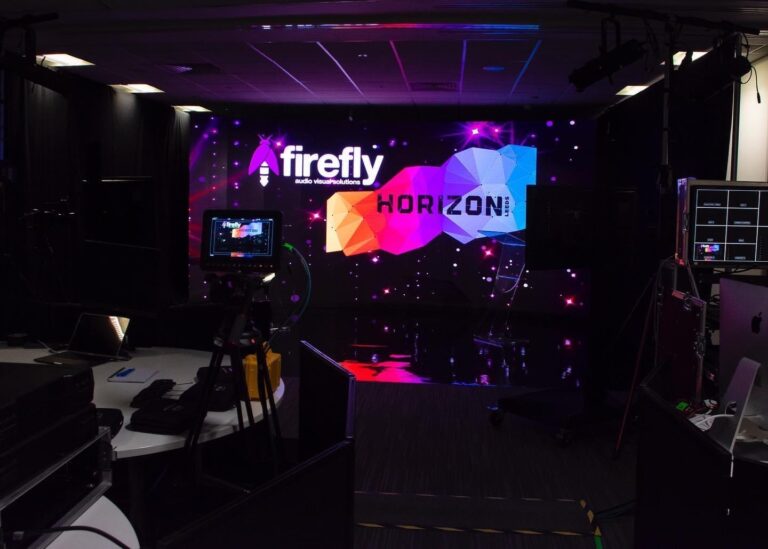
In recent years, the landscape of events has undergone a significant transformation, with the rise of virtual and hybrid events taking centre stage. As more organisations adapt to the digital era, understanding the nuances between these two event formats becomes crucial. Can virtual and hybrid events bring the same level of engagement and value to live events?
In our recent blog post about how to create a virtual event, we have covered everything you need to know regarding taking your event completely online, but in short, these events are completely virtual with all participants using digital technologies to attend.
Hybrid events, on the other hand, combine face-to-face and virtual elements during the event as an example, some of the speakers may present themselves online whilst the majority of the parttakers are in one physical space. Another example of hybrid events may include an interactive virtual panel which is invited in whilst a face-to-face conference is running.
The main reasons why organisations may opt for virtual events include their cost-effectiveness, and global reach as well as their ability to reach a more diverse audience and foster a larger online community. This allows people from all backgrounds to join an event, especially if inclusivity is at the forefront of an organiser’s mind. Hybrid events on the other hand offer increased flexibility, a more unique experience as well as a broader audience engagement which is a highly important factor for all organisers when planning an event. Typically, hybrid events cater towards a more localised audience, depending on the physical location of the event.
Both types of events come with some disadvantages too, beginning with virtual events being more prone to technical issues, potential lack of face-to-face interaction, and the need for robust virtual platforms. On the other hand, hybrid events may cause logistical complexities, challenging technology requirements, and the need for a more careful and complex planning structure.
Event organisers are encouraged to thoughtfully assess factors such as budget, target audience, and overarching goals when considering whether to opt for a virtual or hybrid format.
Despite the misconception that planning a virtual event is simpler than an in-person one, it’s important to acknowledge that many event professionals may not allocate enough time to fully grasp how to unlock the full potential of virtual events. Additionally, some may overlook the importance of fully engaging with the technology, which can lead to unforeseen challenges during the event.
To ensure success, organisers need to take the time to acquaint themselves with the chosen platform and technology. By achieving a high level of proficiency with the technology, event organisers can meet attendees’ expectations and deliver an exceptional experience. Neglecting this crucial aspect could result in a virtual event that falls short of expectations, potentially impacting attendee retention and tarnishing the brand image.