How do LED video walls differ from traditional projectors?
Date added: 3/07/2026
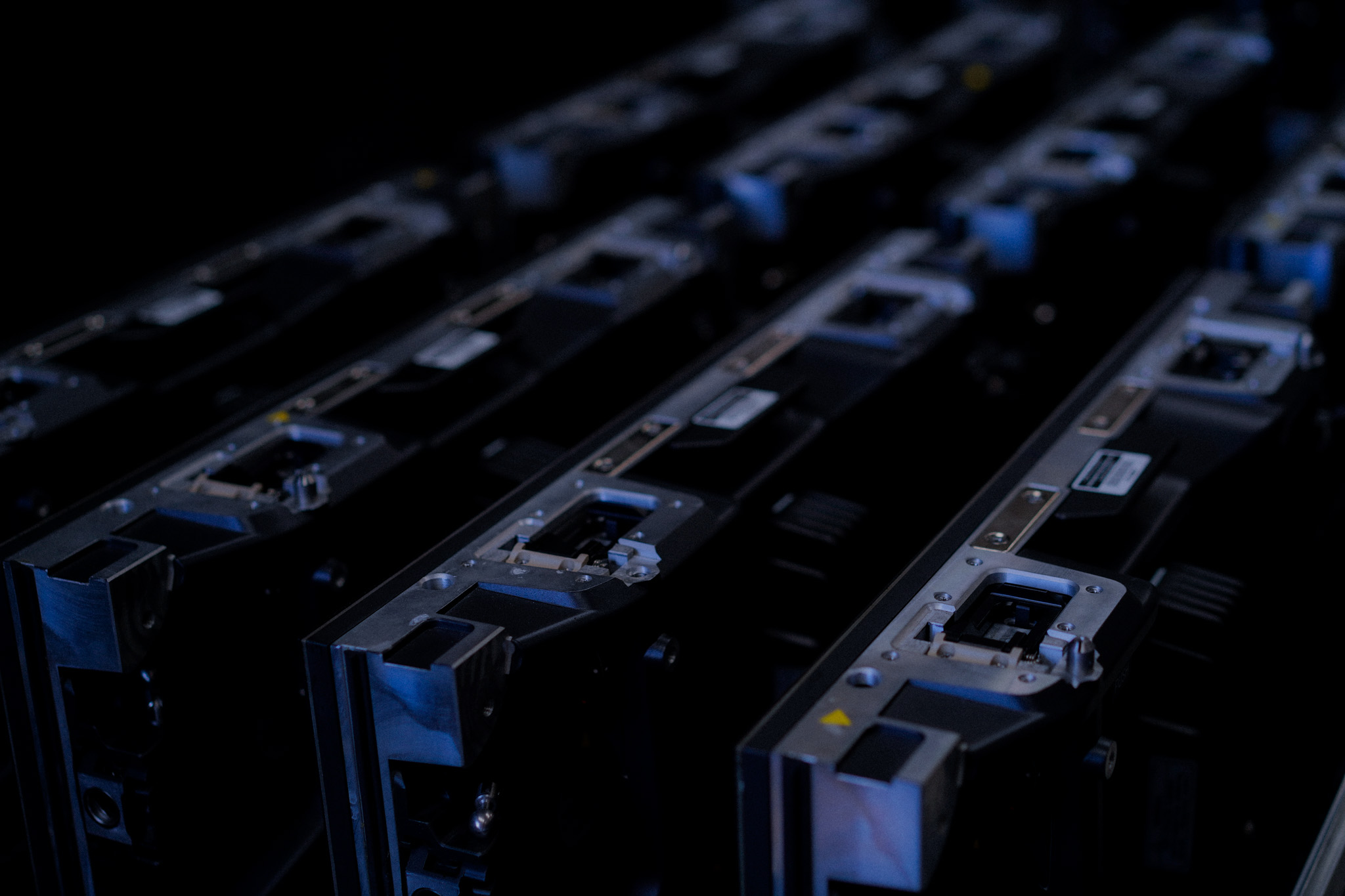
How do LED video walls differ from traditional projectors?
LED video walls are now the preferred display standard for mid-to-large live events, replacing projectors in most professional settings. The reasons are practical, not just aesthetic.
Projectors require a clear throw path between the lens and the screen. They struggle in venues with ambient light, and image quality degrades as room brightness increases. LED walls emit their own light, so they remain vivid even in fully lit conference halls or outdoor environments.
| Feature | Projector | LED Video Wall |
|---|---|---|
| Brightness | Limited by ambient light | Performs in full daylight |
| Installation | Needs throw distance | Modular, fits any space |
| Image quality | Can wash out | Consistent, high contrast |
| Cost | Lower upfront | Higher upfront, lower running cost |
| Maintenance | Lamp replacement needed | Long LED lifespan |
What is pixel pitch and why does it matter?
Pixel pitch defines the distance between LED pixels, measured in millimetres. A smaller number means pixels are closer together, which produces a sharper image at close range. A larger number is acceptable when the audience is further away.
For a conference room where delegates sit 3–5 metres from the screen, a P2 or P3 pixel pitch is appropriate. For a large arena where the nearest viewer is 10 metres away, a P6 or P8 panel delivers the same perceived quality at a significantly lower cost. Choosing the wrong pixel pitch is one of the most common and expensive mistakes in AV planning.